Payday allowed
Borrowing in Missouri: What State Law Allows
Missouri lets payday and title lenders set their own rates, then limits how long the debt can drag on. Here is where the guardrails are, and where they aren't.
By Lendmira Editorial Team Updated 7 min read
- Payday loans
- Allowed, up to $500
- Payday cost limit
- 75% of the loan, lifetime
- Title loans
- Allowed, up to $5,000
- Garnishment, head of family
- Up to 10% of pay
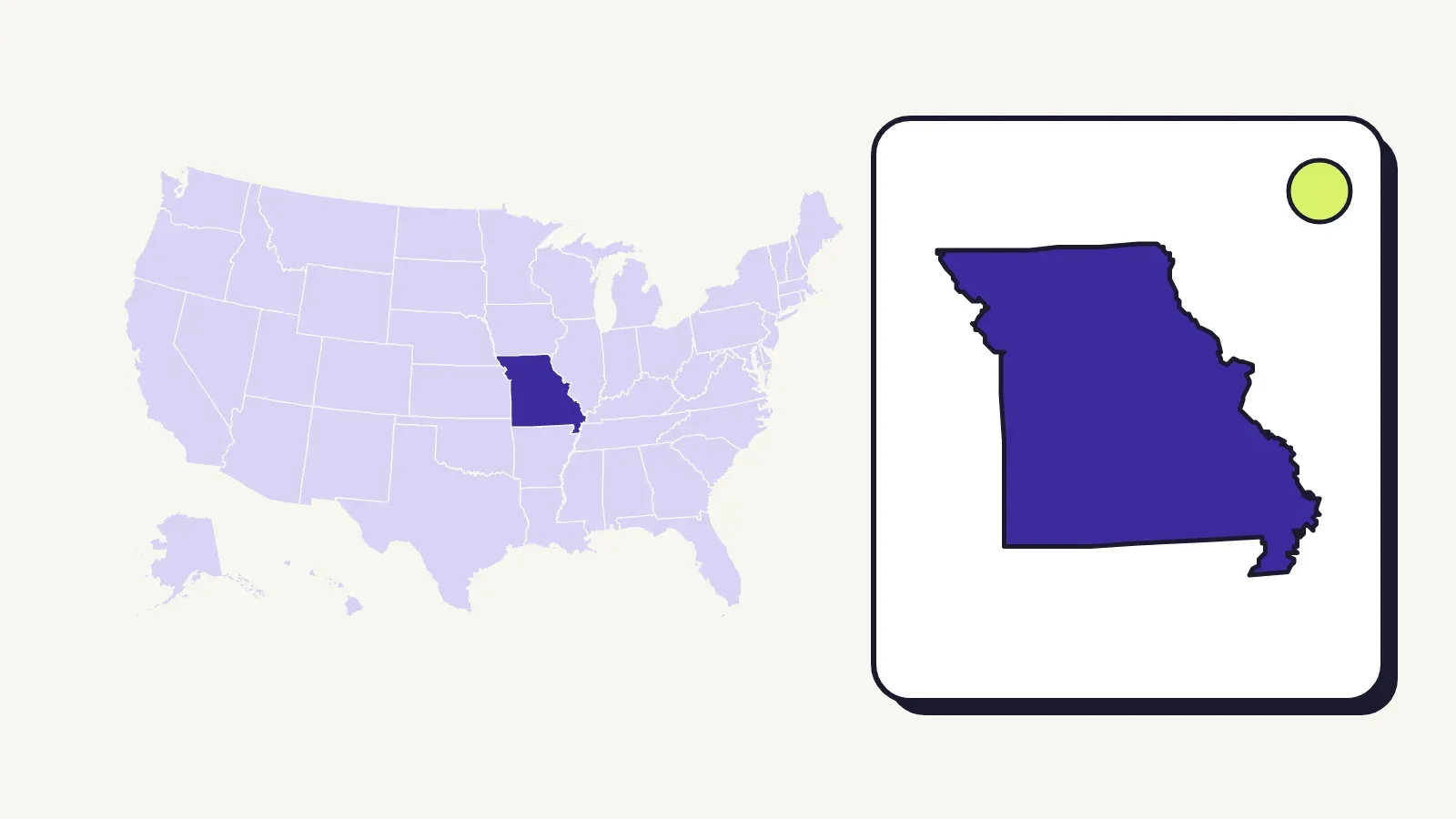
The short version
Missouri allows payday loans of up to $500 for 14 to 31 days, renewable up to six times, with total interest and fees capped at 75% of the original loan. Title loans of up to $5,000 are also legal, and neither type has a fixed interest-rate cap. Creditors have five years to sue on most contracts and ten on a written promise to pay. A Missouri head of family can have no more than 10% of weekly pay garnished.
Missouri lending rules at a glance
How payday loans are limited in Missouri
Payday lenders in Missouri are licensed by the Division of Finance to make unsecured loans of $500 or less. The law doesn't cap the interest rate itself. Instead, it caps the total: everything you pay in interest and fees over the loan and all its renewals can't exceed 75% of the amount you first borrowed.
| Maximum loan | $500, and no more than $500 outstanding with one lender and its affiliates |
|---|---|
| Term | 14 to 31 days, including renewals |
| Renewals | Up to six, each cutting principal by at least 5% of the original loan |
| Total cost limit | 75% of the original loan (up to $375 on a $500 loan) |
| Cancel | Free, by repaying the principal by the close of the next full business day |
The lender must consider whether you can reasonably repay, charge only simple interest, and post its maximum APRs in the lobby. A lender also can't pay off your loan with the proceeds of another loan of its own. A 2026 law (House Bill 2423) revised the licensing section effective August 28, 2026; the consumer limits above are unchanged.
Title loans have size limits but no rate cap
Licensed title lenders can lend up to $5,000 against a car or other titled property you own outright. The loan must run at least 30 days. You can renew it on written request by paying the interest due, and from the third renewal on, each renewal must reduce the principal by 10% until it's paid off.
- Missouri sets no interest cap for title loans. The lender must post the maximum rates it charges and state the monthly rate in your agreement.
- The lender must consider your ability to repay when setting the loan's size and length.
- The lender must give a bold warning that you could lose the vehicle, and you sign to acknowledge it.
- Before repossessing, the lender has to follow Missouri's default and right-to-cure rules.
Installment loans and other credit
For most other consumer loans, Missouri lets licensed lenders charge rates agreed to by the parties. That makes your own comparison the main protection. Get two or three offers, line up the APRs and total costs, and use the loan payment calculator to see the monthly payment. If your credit is in the fair range, a personal loan may cost far less than a payday or title loan.
Five or ten years to sue
Missouri has two contract deadlines. Actions on a writing for the payment of money get ten years (RSMo 516.110). Other contract actions, express or implied, get five years (RSMo 516.120).
Which one applies to credit card debt depends on whether the court finds a signed written promise to pay. A card agreement you never signed usually points to the five-year period, but a creditor with signed paperwork may argue for ten. If you're sued on an old debt, raise the time limit and talk to a lawyer or legal aid. Our guide on old debt and statutes of limitations explains what can restart the clock.
Garnishment protects heads of family
After a court judgment, a creditor can garnish the lowest of three amounts from your weekly take-home pay: 25%, the amount above 30 times the federal minimum wage, or, if you're a Missouri resident and head of family, 10%. Support orders and tax debts follow different rules.
The key step is the judgment. A payday or title lender can't take money from your paycheck just because you missed a payment; it has to sue you and win first. If you get court papers, respond by the deadline, even if you think you owe the money, so you can raise the time limit and any errors in the amount.
Where to check a lender and complain
- Search the license on the Missouri Division of Finance site. Payday, title, small loan and consumer installment lenders are listed separately.
- Read the posted notice and APR. Payday and title lenders must display their maximum rates.
- File a complaint with the Division of Finance online. For collector problems, see debt collectors and your rights.
Common questions
Are payday loans legal in Missouri?
Yes. Licensed lenders can make loans of up to $500 for 14 to 31 days, with up to six renewals. Total interest and fees can't exceed 75% of the original loan.
Is there a cap on title loan interest in Missouri?
No fixed rate cap. Title loans are limited to $5,000, must run at least 30 days, and from the third renewal must shrink by 10% of principal each time.
What is the statute of limitations on credit card debt in Missouri?
Usually five years for contracts, but ten years for a written promise to pay money. Which applies to a card depends on the paperwork, so raise the issue if you're sued on an old account.
How much of my wages can be garnished in Missouri?
Up to 25% of disposable earnings, or 10% if you're a Missouri resident and head of family, and never more than the amount above 30 times the federal minimum wage.
Sources
- Missouri Division of Finance — Consumer credit licensing
- RSMo 408.500 — Unsecured loans of $500 or less
- RSMo 408.505 — Payday loan terms and 75% limit
- RSMo 367.512 — Title loan agreements and renewals
- RSMo 367.527 — Title loan restrictions
- RSMo 516.110 and 516.120 — Statutes of limitations
- RSMo 525.030 — Garnishment limits
Facts on this page were checked against these sources on October 13, 2026. Section 408.500 was last amended by House Bill 2423, effective August 28, 2026.
Keep reading
-
Loan type
Payday loan alternatives
Credit union PALs up to $2,000 at 28% APR or less, paycheck advances, payment plans and local help.
-
Debt help
Debt collectors and your rights
Validation notices, the 30-day dispute window, the 7-calls-in-7-days rule and how to complain.
-
State law
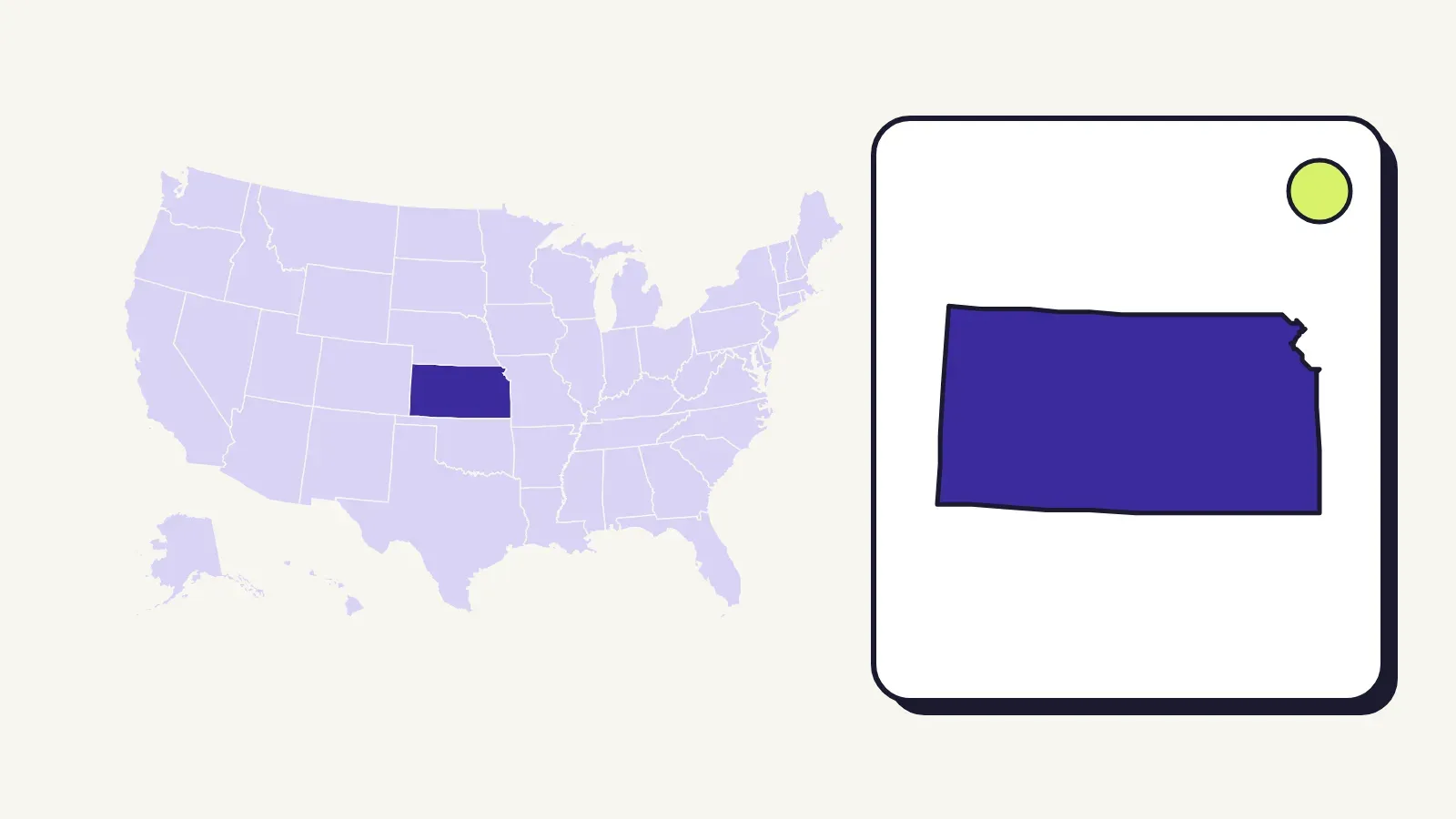
Kansas
Payday loans up to $500 with a 15% fee and a free payment plan once a year; 36% cap on installment loans.