Payday banned
Borrowing in New Jersey: What State Law Allows
New Jersey has some of the strictest interest limits in the country. That shuts out payday and title lenders, but it also makes online offers from unlicensed lenders worth a second look.
By Lendmira Editorial Team Updated 6 min read
- Payday and title loans
- Not permitted
- Criminal usury cap
- 30% a year
- Time limit to sue on debt
- 6 years
- Wage garnishment limit
- 10% of gross pay
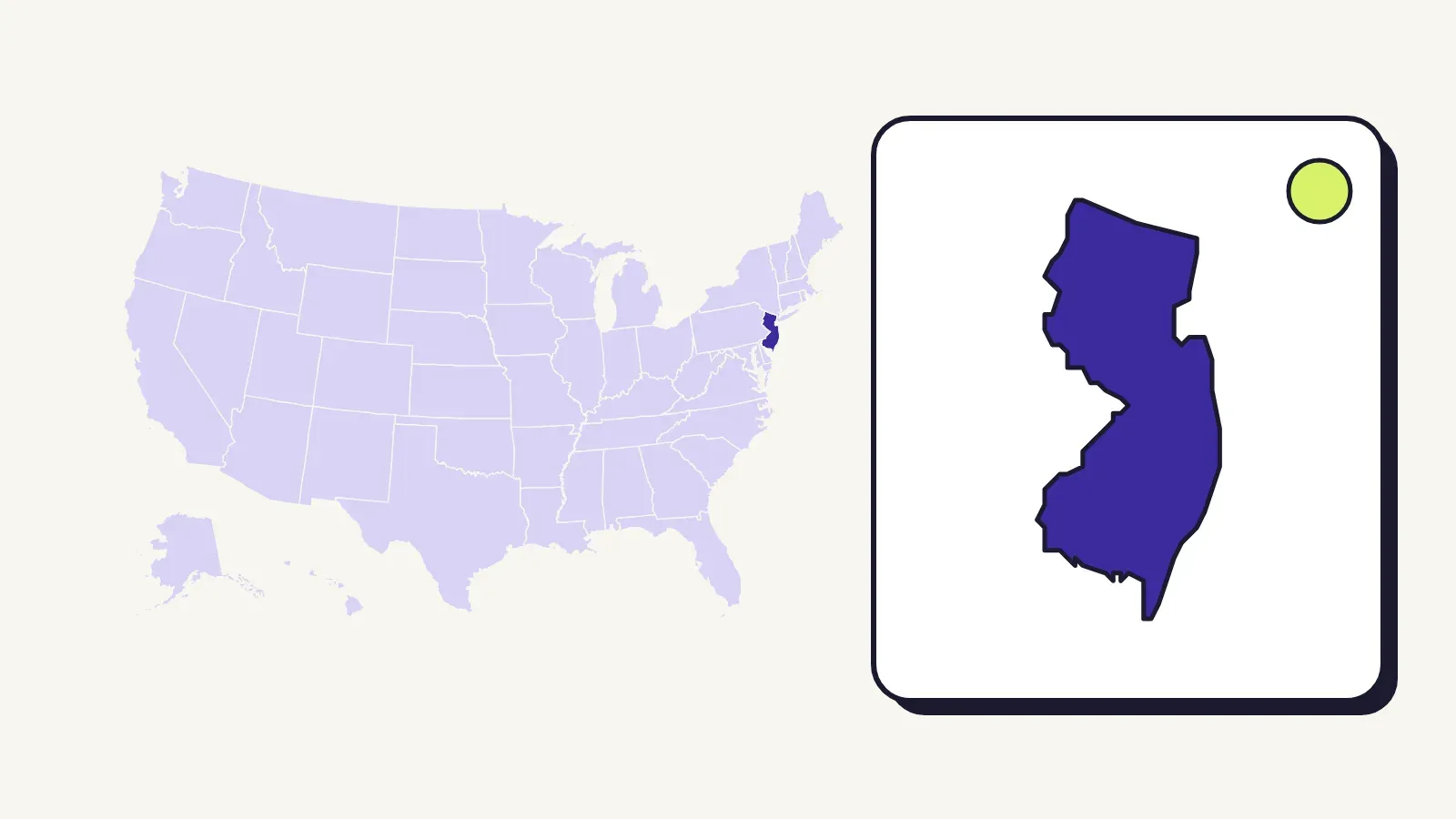
The short version
New Jersey makes it a crime to charge an individual more than 30% a year in interest, so payday and car title loans, which run far higher, can't legally be made here. Licensed consumer lenders set rates by agreement within that ceiling. A creditor generally has six years to sue on a debt, and a wage execution is usually limited to 10% of your gross pay.
New Jersey lending rules at a glance
Three interest limits to know
New Jersey law sets interest ceilings at three levels. Which one matters depends on who is lending and whether the deal is in writing.
6% or 16%: civil usury
Without a written agreement, interest above 6% is usurious. With a written contract that states the rate, the civil limit is 16%.
30%: criminal usury
Charging an individual more than 30% a year is a crime. Loans to corporations and LLCs can go up to 50%.
Licensed lenders
Consumer lenders licensed by the state may charge an agreed rate on loans up to $50,000, but the 30% criminal limit still applies.
Knowingly running a business of criminally usurious loans is a second-degree crime, with a fine of up to $250,000, and understating the interest rate on a loan is itself an offense.
Why payday and title loans aren't sold here
A payday loan that costs hundreds of percent a year, or a car title loan priced the same way, blows well past the 30% criminal ceiling. No New Jersey law carves out an exception for them, so no lender can make one legally, whether in a store or online.
The state Department of Banking and Insurance has warned that payday lending aimed at New Jersey residents comes almost entirely from out-of-state or foreign companies without the required New Jersey license, often through websites. If one of these lenders has already debited your account, contact your bank and the department.
What licensed consumer lenders can do
Finance companies that make personal loans in New Jersey are licensed under the Consumer Finance Licensing Act. A licensed consumer lender may lend up to $50,000 and charge the rate you agree to, within the criminal usury cap. On a variable-rate closed-end loan, the rate can't rise more than 6 points above the starting rate over the loan's life, or more than 3 points in any 12 months.
- Apart from interest, the lender generally can't add other charges such as service or brokerage fees.
- A returned-check fee is capped at $20.
- An open-end line of credit may carry an annual fee of no more than 1% of the line or $50, whichever is less.
Because extra fees are so limited, the APR on a New Jersey consumer loan is close to its interest rate. Use a side-by-side comparison when you weigh offers from banks, credit unions and licensed lenders.
Debt lawsuits and wage executions
Under N.J.S.A. 2A:14-1, a creditor generally has six years to sue on a contract, which covers personal loans and credit card debt. A contract for the sale of goods follows a separate four-year rule in the Uniform Commercial Code.
If a creditor wins a judgment, it can ask the court for a wage execution. The court notice that comes with it explains the limits:
- No more than 10% of your gross pay can be taken, and never more than 25% of your disposable earnings.
- Nothing can be taken if your disposable earnings are $217.50 a week or less.
- The court can allow more than 10% only if your income is above 250% of the federal poverty level.
- You have 10 days after you are served to object in writing, and you can ask for a reduction later.
For your federal rights when a collector calls, see debt collectors and your rights.
Where to report a lender
- Check the license on NMLS Consumer Access or with the Department of Banking and Insurance before you share bank details.
- Keep records of the offer, the contract, every payment and every debit from your account.
- Report the lender to the Department of Banking and Insurance at 1-800-446-7467. You can also file a complaint with the CFPB.
Common questions
Are payday loans legal in New Jersey?
No. The 30% criminal usury limit makes them illegal, and the state has no exception for payday lenders, including online ones.
What is the maximum interest rate in New Jersey?
Charging an individual more than 30% a year is criminal usury. The general civil limit is 16% on a written contract, but licensed consumer lenders may charge an agreed rate up to the 30% criminal ceiling.
How long can a debt collector sue me in New Jersey?
Generally six years on a contract debt. See how statutes of limitations work before you pay on an old debt.
How much of my paycheck can be garnished in New Jersey?
Usually no more than 10% of gross pay, and nothing if your disposable earnings are $217.50 a week or less. A court can order more only if your income is above 250% of the poverty level.
Sources
- New Jersey Department of Banking and Insurance — Consumer warning on payday lenders
- N.J.S.A. 2C:21-19 — Criminal usury (via Justia)
- N.J.S.A. 17:11C-32 and 17:11C-33 — Consumer lender rates and charges (via Justia)
- N.J.S.A. 2A:14-1 — Six-year limit on contract claims (via Justia)
- N.J.S.A. 2A:17-56 — Wage execution limits (via Justia)
- New Jersey Courts — Notice of application for wage execution
Facts on this page were checked against these sources on October 13, 2026. The $217.50 weekly threshold is 30 times the current federal minimum wage of $7.25 and moves with it.
Keep reading
-
Loan type
Payday loan alternatives
Credit union PALs up to $2,000 at 28% APR or less, paycheck advances, payment plans and local help.
-

Debt help
Debt collectors and your rights
Validation notices, the 30-day dispute window, the 7-calls-in-7-days rule and how to complain.
-
State law
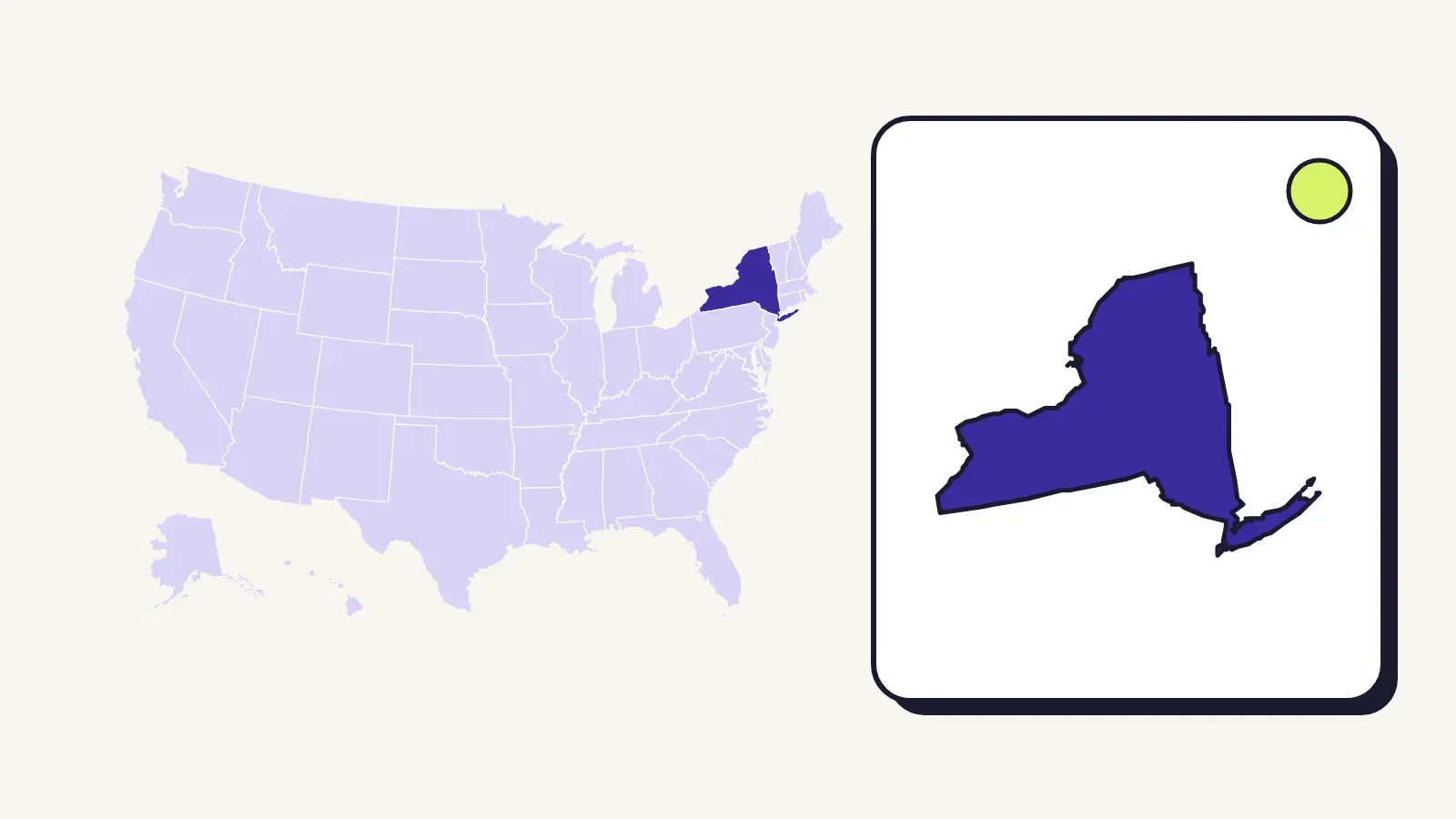
New York
16% civil and 25% criminal usury caps bar payday and title loans; 3-year limit on consumer debt suits.