Payday banned
Borrowing in Illinois: What State Law Allows
The Predatory Loan Prevention Act put a 36% all-in ceiling on loans from non-bank lenders. Here is what it covers, how lenders try to get around it, and what happens if you fall behind on a debt.
By Lendmira Editorial Team Updated 6 min read
- Payday and title loans
- Capped at 36% APR
- How APR is measured
- Military APR, fees in
- Time limit (written contract)
- 10 years
- Time limit (credit cards)
- 5 years
The short version
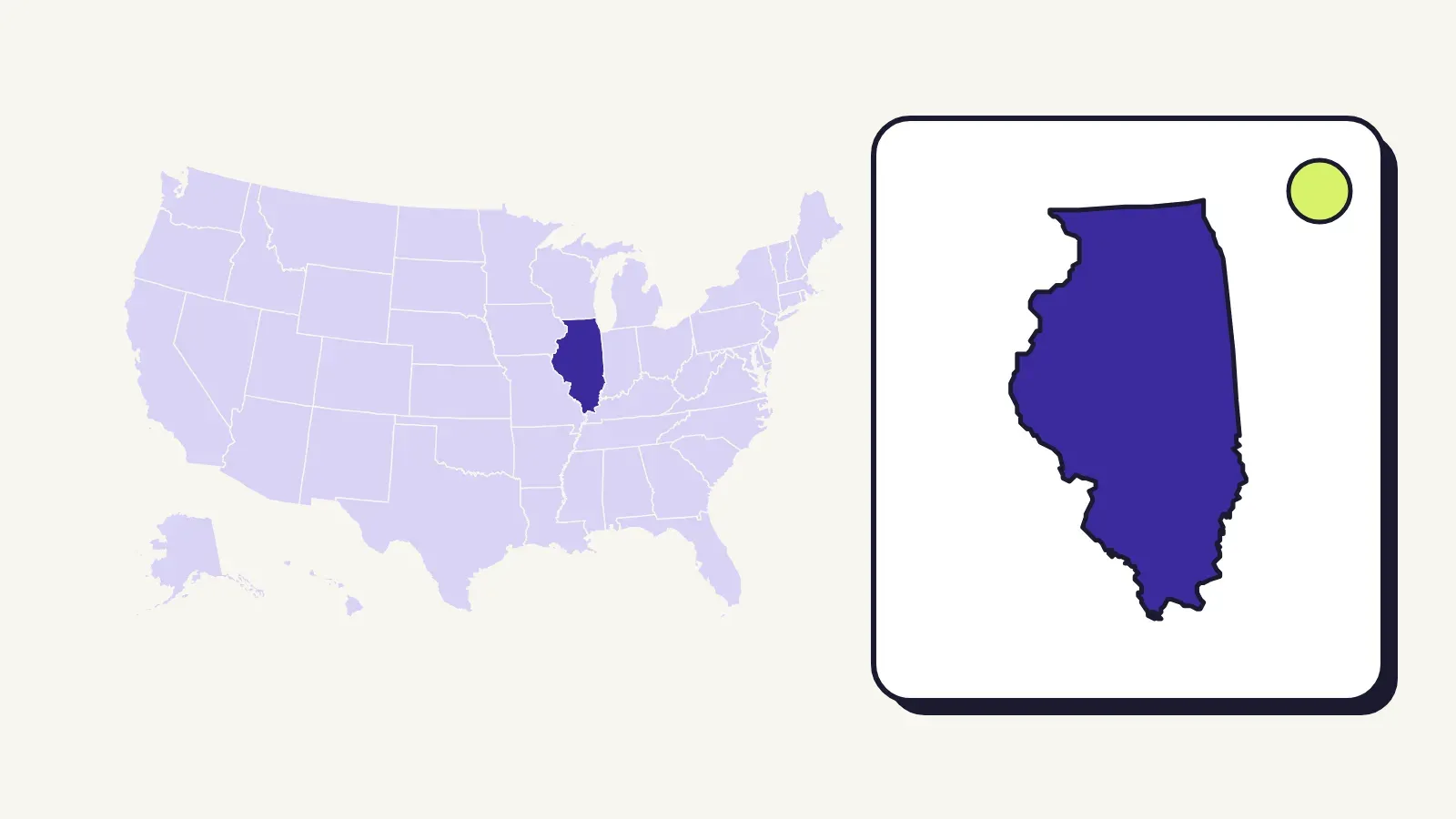
Since 2021, Illinois's Predatory Loan Prevention Act bars non-bank lenders from charging more than a 36% annual percentage rate on consumer loans, measured the way the Military Lending Act measures it, with most fees included. Triple-digit payday and title loans can't be made legally, and a loan that breaks the cap is void. Creditors have 10 years to sue on a written contract and generally five years on credit card debt.
Illinois lending rules at a glance
One ceiling for nearly every non-bank loan
The Predatory Loan Prevention Act (815 ILCS 123) applies to any person or business that offers or makes a loan to a consumer in Illinois, including companies that arrange loans, buy them or act as agents for someone else. Banks, savings institutions, credit unions and insurance companies chartered by a state or the federal government are exempt.
Covered lenders can't contract for or collect charges above a 36% APR. The APR is calculated with the military APR method from the federal Military Lending Act rule, which counts most fees and add-on products, not just interest. That closes the gap that let older payday and installment products advertise a modest rate and charge fees on top.
Lenders licensed under Illinois's other lending laws must fit under the same ceiling, and breaking the Act can also cost them their license under those laws. A product that depends on a triple-digit APR can no longer be offered legally.
What the cap means for payday and title loans
Payday loans
No triple-digit, two-week loans. A short-term loan from a non-bank lender must stay at or below 36% APR, fees included.
Car title loans
The same 36% ceiling applies when your car secures the loan, so traditional title lending is gone.
Installment loans
Licensed consumer installment lenders can still lend, at 36% APR or less. Compare offers with the APR calculator.
A 36% loan isn't automatically affordable. On a short loan, a 36% APR still means real dollars. See payday loan alternatives for options that may cost less, such as federal credit union loans, which are held to an 18% APR ceiling on most loans through September 10, 2027.
How the law treats workarounds
The Act forbids any device or pretense to evade the cap, such as a disguised sale-leaseback or loan money dressed up as a cash rebate. It also targets rent-a-bank programs. A company is treated as the lender, even if a bank's name is on the paperwork, when it holds the main economic interest in the loan, markets the loan and has the right to buy it, or otherwise is the true lender based on all the circumstances.
- A loan made in violation of the Act is null and void: no one may collect principal, fees, interest or charges on it.
- A violation is also a violation of the Consumer Fraud and Deceptive Business Practices Act.
- The state can fine a lender up to $10,000 per violation and refer cases for prosecution.
- You can't waive these protections, even by signing a contract that says you do.
Time limits on collecting a debt
| Type of debt | Time limit |
|---|---|
| Written contracts, promissory notes and other written evidence of debt | 10 years |
| Unwritten contracts, express or implied | 5 years |
| Credit card debt (how courts usually treat it) | 5 years |
Illinois courts have generally treated credit card debt as falling under the five-year period, because the full terms of a card account usually aren't in one signed document. A creditor with a signed written agreement may argue for 10 years. A written payment or new written promise to pay restarts the 10-year clock, so read how statutes of limitations work before you sign or pay anything on an old debt.
If a creditor wins a judgment, it can seek a wage deduction order. Under 735 ILCS 5/12-803, it can take no more than the lesser of 15% of your gross pay for the week or the amount by which your disposable earnings exceed 45 times the Illinois minimum wage. At the $15 state minimum, the first $675 a week is protected. Your federal rights with collectors are covered in debt collectors and your rights.
Where to check a lender and complain
- Check the license with the Illinois Department of Financial and Professional Regulation (IDFPR) or on NMLS Consumer Access.
- Ask for the APR in writing and confirm it is 36% or less, counting every fee.
- File a complaint with IDFPR if a lender charges more. IDFPR reports material violations to the Attorney General, and you can also file with the CFPB.
Common questions
Are payday loans legal in Illinois?
Not at payday prices. Since 2021, non-bank lenders can't charge more than 36% APR, fees included, so traditional payday loans are no longer made legally.
Are car title loans legal in Illinois?
Only within the same 36% APR cap, which ended triple-digit title lending.
What happens if a lender charges more than 36% in Illinois?
The loan is void, so no one may collect principal, interest or fees on it. The lender can also be fined by the state.
What is the statute of limitations on credit card debt in Illinois?
Generally five years. Written contracts with a signed agreement can have 10 years.
Sources
- Predatory Loan Prevention Act, 815 ILCS 123 (Justia, 2025 Illinois Compiled Statutes)
- Illinois Code of Civil Procedure, Article XIII — Limitations (735 ILCS 5/13-205, 13-206)
- 735 ILCS 5/12-803 — Maximum wages subject to collection (Illinois General Assembly)
- Illinois Department of Financial and Professional Regulation
Facts on this page were checked against these sources on October 13, 2026. The 36% cap does not apply to banks and credit unions, which follow their own rules.
Keep reading
-
Loan type
Payday loan alternatives
Credit union PALs up to $2,000 at 28% APR or less, paycheck advances, payment plans and local help.
-
Debt help
Loan scams
Upfront fees, gift card demands and fake collectors: how to spot loan scams and where to report them.
-
State law
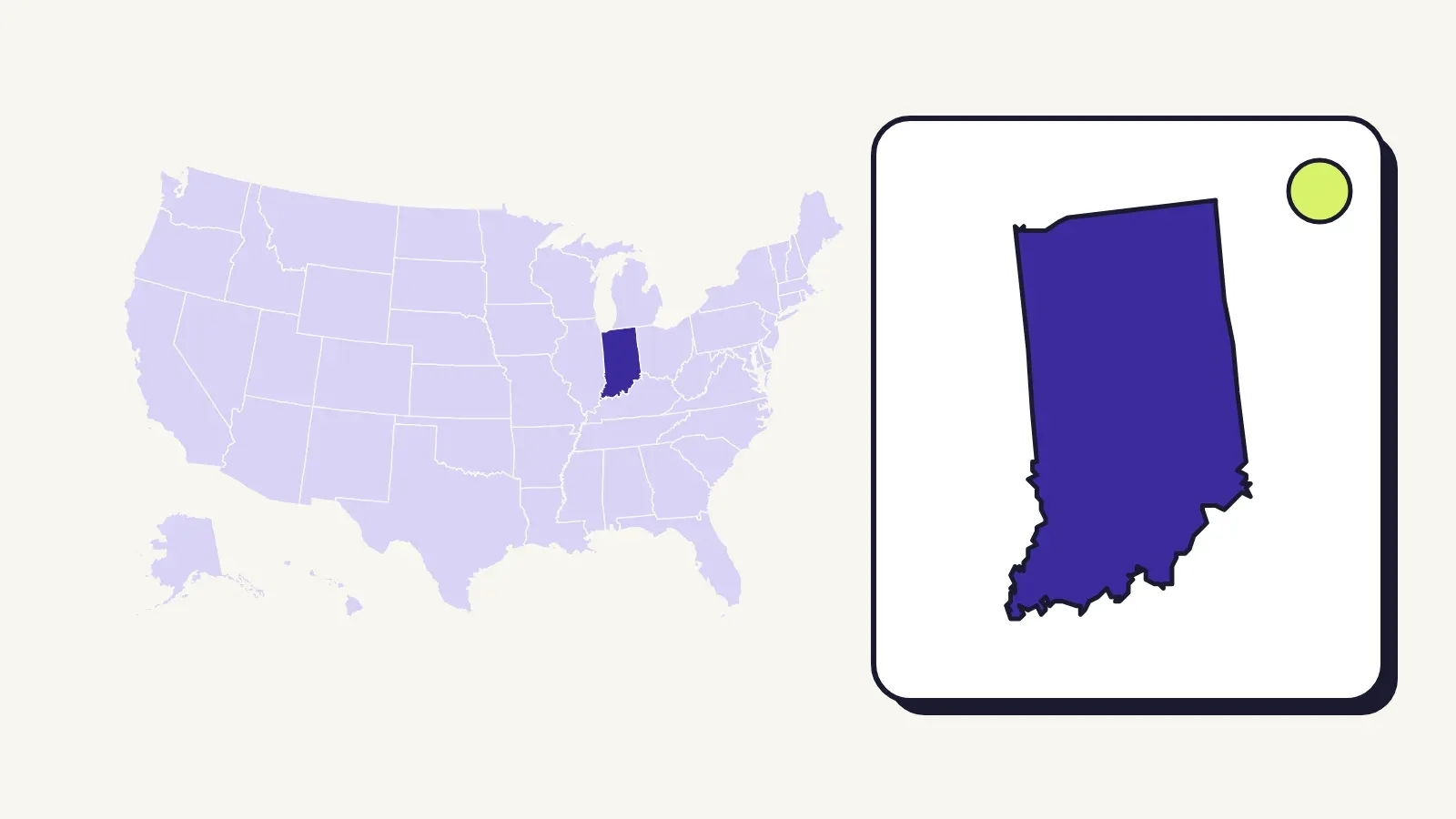
Indiana
Small loans up to $825 with 10%–15% tiered fees, 14-day minimum term; 6-year limit on most debt suits.